



Palace Benevento
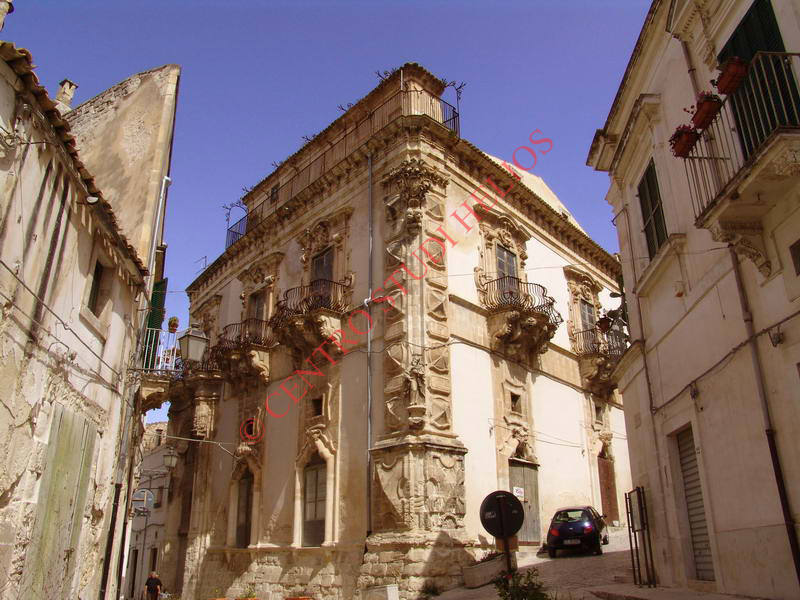
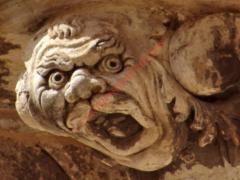
In via Duca D'Aosta. It was defined by Sir Anthony Blunt as the most beautiful Baroque palace in Sicily, ("of a pale yellow-gold color that acquires an indescribable opulence in the sun"). The Palace has an angle setting on two fronts that adapt to the conformation of the sloping ground. The two facades are linked by a mighty baroque cantonal. On top of this stands the crowned coat of arms of the Benevento family decorated with two Moorish heads. The balconies are characterized by shelves enriched by beautiful masks considered among the most characteristic of the Iblean baroque.
Property bound under the law 1089/1939
download decree:
| FROM n. 638 of 15.03.1979 |
Card insertion: Ignatius Caloggero
Photo: Ignazio Caloggero
Information contributions: Ignazio Caloggero, Web
Note: The populating of the files of the Heritage database proceeds in incremental phases: cataloging, georeferencing, insertion of information and images. The cultural property in question has been cataloged, georeferenced and the first information entered. In order to enrich the information content, further contributions are welcome, if you wish you can contribute through our area "Your Contributions"
